Introduction
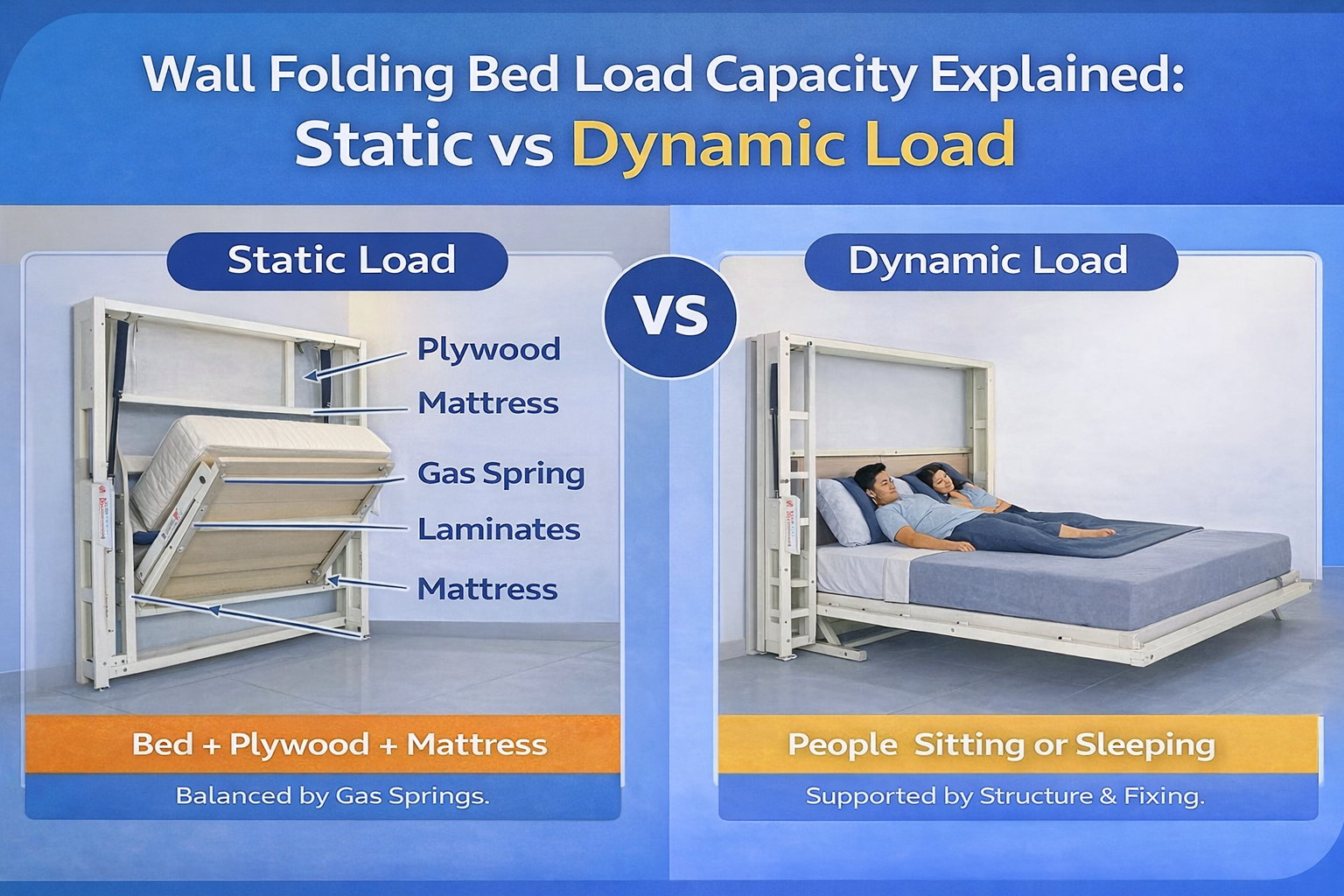
When selecting a wall folding bed, one of the most misunderstood aspects is load capacity. Many buyers assume a single weight rating applies to everything—but in reality, there are two completely different types of loads involved:
Static Load (Mechanism Load)
Dynamic Load (Usage Load)
Understanding this difference is critical for safe installation, smooth operation, and long-term durability.
- Static Load Capacity (Mechanism Load)
Static load refers to the fixed weight acting on the mechanism when the bed is closed or being operated.
This includes:
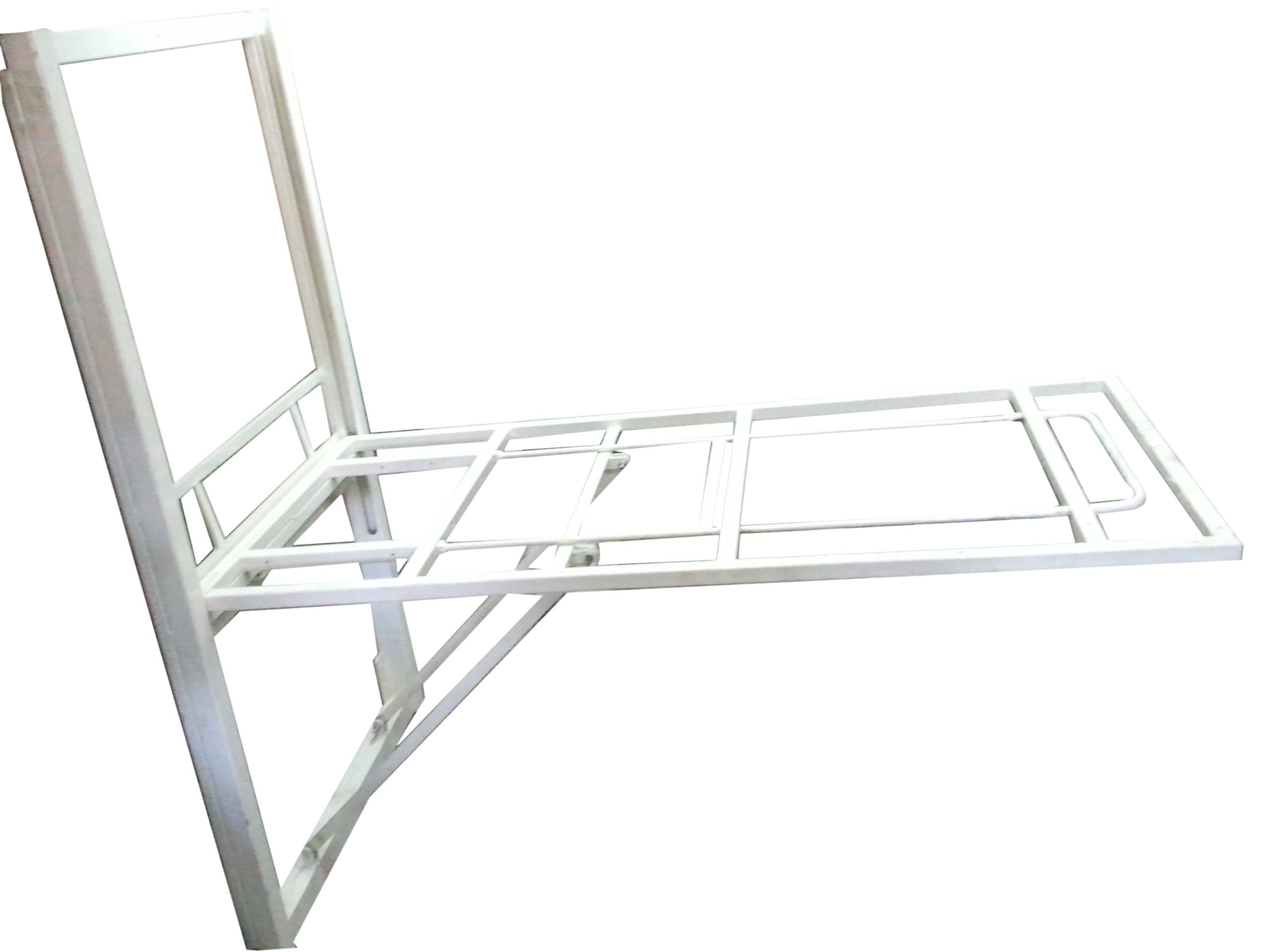
Bed frame weight
Plywood / board
Laminates / finishes
Mattress weight
👉 This is the actual weight that the wall bed mechanism needs to lift and balance.
Key Insight:
The gas springs are calibrated specifically for this static load.
If weight is too low → bed may not close properly
If weight is too high → operation becomes heavy and unsafe
Why it matters:
Correct static load ensures:
Smooth opening & closing
Proper balancing
Long life of mechanism
No sudden drops or jerks
- Dynamic Load Capacity (Usage Load)
Dynamic load refers to the weight applied when the bed is open and in use.
This includes:
People sitting
People sleeping
Movement and shifting weight
👉 This load is NOT handled by gas springs.
It depends on:
Strength of bed frame structure
Quality of MS tube fabrication
Thickness of plywood / board
Wall fixing strength (very critical)
- Key Difference (Very Important)
Factor Static Load Dynamic Load
When it acts During folding/unfolding During usage
Includes Bed + plywood + mattress Human weight
Controlled by Gas springs Frame + wall fixing
Purpose Smooth operation Strength & safety - Common Mistakes Buyers Make
❌ Thinking gas springs handle full body weight
❌ Ignoring wall strength (brick vs RCC)
❌ Using low-quality plywood or weak frames
❌ Overloading beyond design capacity
- Practical Recommendation
For a safe and long-lasting wall bed:
✔ Always match gas spring strength with actual static load
✔ Use high-quality MS structure
✔ Ensure proper wall fixing (RCC preferred)
✔ Follow recommended mattress thickness & weight
- Final Conclusion
A wall folding bed works on a balance system, not just strength.
Static load = smooth operation (gas spring controlled)
Dynamic load = safety & durability (structure controlled)
Choosing the right combination ensures:
Effortless daily use
Long mechanism life
Safe sleeping experience
🚀 Expert Tip (From Industry Experience)
If designed correctly:
👉 Even a large wall bed can feel light to operate
👉 But if designed wrong:
❌ Even a small bed will feel heavy and unsafe
CTA
Looking for the right wall bed mechanism for your project?
📞 Contact Nandu Fittings @ 9930142802 or email at info@nandufittings.com for expert guidance and customized solutions.
Explore Our Wall Folding Bed Products
Quality mechanisms for every space-saving need
Looking for a Wall Folding Bed Manufacturer in India?
We supply wall folding bed mechanisms to furniture dealers, builders, architects, and homeowners across India.